

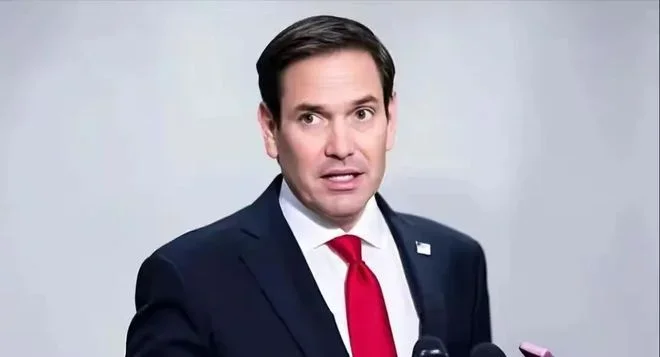
For the first time in modern diplomatic history, China has permanently barred a sitting U.S. Secretary of State from entering its territory. The individual in question is Marco Rubio, a senior U.S. official widely known for his long-standing anti-China stance. This move represents a landmark reversal of long-standing diplomatic norms between the two countries.
The ban is based on China’s Anti-Foreign Sanctions Law. Beijing had already imposed sanctions on Rubio in 2020 and 2022 due to his repeated interference in China’s internal affairs, particularly concerning Hong Kong and Xinjiang. Despite his elevation to the role of U.S. Secretary of State in 2025, Chinese authorities have made it clear that the sanctions remain in full effect and are not automatically lifted due to a change in position.
The development came into sharp focus as President Donald Trump prepared for a visit to China scheduled for May 13–15, 2026. Notably, Rubio was not part of the delegation. When questioned about his absence, Rubio claimed it was a White House decision and that he chose to stay in Washington to manage global affairs, including the Iran situation. However, sources indicate that his exclusion was directly linked to China’s sanctions.
In early May, Chinese Foreign Ministry spokespersons reiterated that Rubio would never be allowed to enter China, drawing a clear red line: “Friends are welcome to visit, but those who have committed offenses against China will remain permanently barred.”
Rubio, born in Miami to Cuban immigrants in 1971, has a well-documented history of anti-Cuba and anti-China positions. During his time as a senator, he promoted allegations of forced labor in Xinjiang, supported Hong Kong opposition figures, and pushed multiple bills challenging the One-China principle. These actions led to China’s two rounds of sanctions before he assumed the role of Secretary of State.
International media have described the situation as a historic turning point in U.S.-China relations. In the past, Washington often refused visas to Chinese officials; now, Beijing has effectively blocked the top U.S. diplomat from entry based on law. It is the first time a sovereign nation has successfully enforced a lifetime ban against a sitting foreign minister of a major Western power while simultaneously facilitating a high-level visit that bypassed the sanctioned official.
The message from Beijing is clear: respect China’s core interests and adhere to basic norms of international relations, or face consequences that no position or power can circumvent.
